
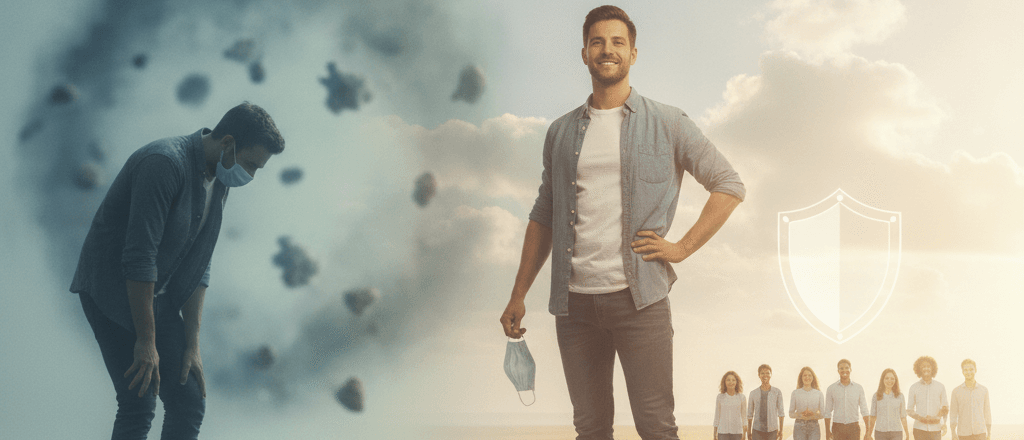


Living a life filled with purpose and vitality often means confronting the unknown. I understand that feeling of unease when health questions arise, because our well-being is the very foundation of everything we do. It is natural to feel some apprehension when faced with potential risks or confusing information about staying safe and healthy.
I believe that moving from a place of uncertainty to true confidence in health safety is an achievable goal for everyone. This involves more than just reacting to problems; it means taking proactive steps, seeking reliable knowledge, and building resilient habits. We all deserve to feel secure in our daily lives, knowing we are doing our best to protect ourselves and our loved ones.
This article will explore practical strategies and insights to help you gain that confidence. We will cover various aspects of health safety, from understanding common risks to implementing preventive measures in your home and workplace. My goal is to equip you with the knowledge needed to approach health safety with assurance and peace of mind.
Understanding the Landscape of Health Safety Challenges
The world around us constantly presents new challenges to our health and safety. From emerging public health concerns to everyday hazards in our homes, remaining vigilant can feel overwhelming. Many people experience a sense of dread when they hear about new health scares, and this fear can sometimes lead to paralysis rather than action. But I have learned that understanding these challenges is the first step toward managing them effectively.
I see health safety as a broad topic, not just about avoiding illness. It includes physical safety from accidents, mental well-being, and even the safety of our digital lives. When we consider the full spectrum of these challenges, we can begin to pinpoint where our efforts will make the biggest impact. This comprehensive view allows us to create a more robust defense against potential harm.
Common Areas Where Safety Concerns Arise
Daily life exposes us to numerous potential safety issues. At home, things like cluttered walkways, outdated electrical systems, or improperly stored chemicals can pose risks. In our communities, we think about road safety, food hygiene in restaurants, and even the cleanliness of public spaces. Each of these areas requires a certain level of awareness and preparation.
Workplaces also have their unique safety demands. For example, knowing how to safely operate machinery, understanding emergency evacuation procedures, or recognizing signs of stress in colleagues are all vital. I have found that a systematic approach to identifying these common areas helps in developing targeted safety plans. It is about being observant and asking what steps can minimize harm.
The Mental Toll of Health Uncertainties
Constant worry about health can be exhausting. The fear of getting sick or facing an accident can weigh heavily on a person’s mind, impacting sleep, mood, and overall quality of life. I believe that addressing this mental burden is just as important as addressing physical risks. Uncertainty breeds anxiety, so reducing the unknown can significantly improve our mental state.
We often feel powerless when confronted with complex health information. However, by breaking down health safety into manageable pieces, we regain a sense of control. This empowerment comes from knowing what to do, even in small ways. It reduces the stress of not knowing and replaces it with the calm of preparedness.
Proactive Steps Towards Personal Health Security
Achieving confidence in health safety hinges on taking proactive steps. I always tell people that waiting for a problem to occur before acting is a reactive stance, and it often leads to greater stress and more difficult solutions. Instead, by embedding preventive measures into our daily routines, we build a strong foundation for long-term health and security. This approach allows us to steer our health journey rather than being swept along by circumstance.
Personal health security begins with individual choices and habits. These might seem small on their own, but their cumulative effect is powerful. From the food we eat to the amount of sleep we get, every decision contributes to our overall resilience. My experience shows that consistency is far more important than intensity when it comes to these daily efforts.
Daily Habits for a Healthier Foundation
Healthy daily habits are the backbone of personal health security. This includes a balanced diet rich in fruits, vegetables, and whole grains. Proper hydration is also key, so I encourage drinking plenty of water throughout the day. Regular physical activity, even just a brisk walk, boosts immunity and improves cardiovascular health.
Adequate sleep is another non-negotiable component. I aim for seven to nine hours of quality sleep each night because it allows the body to repair and rejuvenate. Stress management techniques, like mindfulness or deep breathing, help maintain mental and emotional balance. These practices create a robust internal environment, making us less susceptible to illness and more capable of handling life’s demands.
Regular Check-ups and Preventive Care
Seeing a doctor for routine check-ups is not just for when you feel sick. Preventive care plays a crucial role in catching potential issues early, often before they become serious problems. I make sure to schedule my annual physicals and recommended screenings, because early detection can make all the difference in treatment outcomes.
Vaccinations are also a vital part of preventive care, protecting us from many infectious diseases. Staying up to date with immunizations helps safeguard not only our own health but also the health of our communities. I see these visits as investments in our future health, reducing uncertainty by providing clear insights into our current well-being.
Building a Safe Environment Around You
Creating a safe environment, both at home and at work, is essential for our peace of mind and physical well-being. It is not enough to focus solely on personal health habits; we must also ensure that our surroundings support our safety efforts. This means being mindful of potential hazards and implementing practical solutions to mitigate them. I have always found that a little foresight goes a long way in preventing accidents and promoting a secure living and working space.
Many of us spend a significant portion of our lives in these two settings, so their safety directly impacts our overall health. By systematically addressing common risks, we can transform potentially dangerous areas into havens of security. This attention to detail reflects a deep commitment to health and safety, making our daily routines smoother and less stressful.
Home Safety Essentials
Our homes should be sanctuaries, so I always advocate for addressing common household hazards. This includes installing smoke detectors and carbon monoxide alarms, and checking them regularly. Keeping floors clear of clutter helps prevent falls, which are a major concern, especially for older adults.
Proper storage of medications and cleaning supplies, out of reach of children and pets, is also very important. I recommend having a well-stocked first-aid kit and knowing where your emergency shut-off valves for water and gas are located. These simple steps can significantly reduce the risk of accidents and injuries in the home.
Workplace Safety Protocols
Workplace safety is a shared responsibility. Employers have a duty to provide a safe environment, and employees must follow established protocols. I have seen how effective safety training can prevent accidents and ensure everyone knows how to respond in an emergency. Understanding safety data sheets for chemicals, using personal protective equipment correctly, and knowing evacuation routes are all critical.
Continuous education is also important. To improve skills and stay current with best practices in occupational well-being, it is helpful to develop health safety skills through certified programs and workshops. This commitment helps reduce uncertainty and fosters a more confident approach to navigating workplace risks. It is a smart way to protect yourself and your colleagues.
Empowering Yourself Through Knowledge and Awareness
Knowledge truly is power, especially when it comes to health safety. I believe that being well-informed empowers us to make better decisions and act confidently, even in unexpected situations. This empowerment moves us away from passive worry and towards active participation in our own protection. It is about building a mental toolkit that helps us assess risks and respond effectively.
Awareness also extends beyond just facts; it involves recognizing potential dangers in our surroundings and understanding how our actions can influence safety outcomes. When we cultivate a keen sense of awareness, we become more adept at identifying early warning signs and taking corrective action before problems escalate. This proactive mindset is a cornerstone of true health safety confidence.
Staying Informed About Health Risks
Access to reliable information is fundamental. I make it a point to stay updated on public health advisories, food safety recalls, and environmental health alerts from reputable sources. This might include government health organizations or trusted medical institutions. Filtering out misinformation is crucial, so I always check the source and look for evidence-based reporting.
Understanding common illnesses, their symptoms, and prevention methods helps me feel prepared. For example, knowing the signs of a cold versus the flu, or how to prevent foodborne illnesses, provides practical benefits. This ongoing learning reduces the fear of the unknown and replaces it with actionable insights.
Recognizing and Responding to Emergencies
Emergency preparedness is another vital aspect of empowerment. I encourage everyone to learn basic first aid and CPR because these skills can save lives. Knowing how to handle a burn, a cut, or someone choking can make a significant difference in a critical moment. It reduces panic and enables a calm, effective response.
Creating an emergency plan for your household, including designated meeting points and contact information, is also important. This preparation extends to understanding natural disaster risks specific to your area. When you know what to do when something goes wrong, you approach life with greater assurance.
The Role of Community and Support in Health Safety
No one is an island when it comes to health and safety. I have always found that a strong community and a reliable support system significantly enhance our ability to stay safe and navigate health challenges. Sharing experiences, learning from others, and having people to lean on provides a powerful layer of protection and resilience. It is a collective effort that strengthens individual confidence.
Building these connections means actively engaging with our families, friends, neighbors, and professional networks. These relationships provide emotional support, practical assistance, and a wider pool of knowledge and resources. When we feel connected, we are more likely to seek help when needed and to offer help to others, creating a positive cycle of mutual support.
Leaning on Trusted Resources
Identifying and utilizing trusted resources within your community is a smart move. This could mean your family doctor, a local health clinic, community support groups, or even reputable online forums moderated by experts. I look for sources that provide clear, unbiased information and advice. They serve as valuable extensions of our personal safety networks.
Having a list of emergency contacts, including medical professionals and trusted neighbors, is also important. These resources can provide timely assistance or information when we are unsure what to do. Relying on experts for specific guidance ensures we receive accurate and effective support.
Sharing Knowledge and Best Practices
Just as we benefit from others, we also have a role to play in strengthening our community’s health safety. Sharing accurate health information, promoting safe practices, and encouraging preparedness among our circles helps everyone. I believe that open communication about health concerns fosters an environment where people feel comfortable discussing potential risks and seeking advice.
This exchange of knowledge creates a ripple effect, improving the overall safety literacy of a community. For instance, if you learn an effective fall prevention technique, sharing it with an aging family member or neighbor can make a real difference. We become advocates for safety when we spread what we know.
Cultivating a Mindset of Confidence and Preparedness
Developing confidence in health safety is ultimately about cultivating the right mindset. It moves beyond simply following rules or acquiring knowledge to an internal state of readiness and assurance. I have observed that those who approach life with this prepared mindset are less prone to panic and more adept at problem-solving when unexpected health or safety issues arise. This mental resilience is a powerful asset.
This mindset does not mean ignoring risks; instead, it means acknowledging them without being consumed by fear. It involves believing in our capacity to understand, adapt, and respond effectively. When we embrace preparedness as a continuous process, we transform potential threats into opportunities for growth and heightened awareness.
Overcoming Fear with Facts
Fear often stems from a lack of information or a misunderstanding of actual risks. I find that arming myself with accurate facts and understanding probabilities helps to dismantle irrational fears. For example, knowing the actual likelihood of a particular event, rather than relying on sensational headlines, provides a more balanced perspective.
When we replace anxiety with knowledge, our decisions become clearer and more rational. This factual foundation allows us to focus our energy on effective prevention and mitigation strategies rather than on unproductive worry. It is a simple yet powerful shift that empowers us.
Embracing Continuous Learning
The world of health and safety is always evolving, so embracing continuous learning is crucial. This means staying curious about new research, updated guidelines, and innovative safety practices. I view learning as an ongoing journey, not a destination. Each new piece of information adds to our confidence, making us more adaptable and resourceful.
Whether it is a new workout trend, a revised healthy eating guideline, or an update on home safety technology, staying current keeps us at the forefront of personal protection. This commitment to lifelong learning ensures that our confidence in health safety remains strong and relevant, no matter what changes may come.
Moving Forward with Greater Certainty
I have discussed many pathways to move from uncertainty to confidence in health safety. We explored the complex landscape of health challenges, recognizing that understanding these risks is the first step toward managing them. I highlighted the importance of proactive steps, from daily healthy habits and regular check-ups to creating safe home and work environments. We also delved into the empowering role of knowledge and awareness, emphasizing the need to stay informed and prepare for emergencies. Finally, I stressed the invaluable support that community provides and the power of a confident, prepared mindset. Each of these elements works together, forming a comprehensive strategy for a secure and assured life. Our personal well-being and that of our communities depend on these deliberate actions. I encourage you to begin implementing these insights today, taking small, consistent steps towards greater confidence. Choose one area to focus on, maybe improving your daily habits or checking your smoke detectors. Building this confidence is an ongoing process, and every effort contributes to a healthier, safer future for all of us.